
Drinking remineralized water can be a great way to boost your overall health. Many people are turning to mineral supplements to enhance the quality of their drinking water.
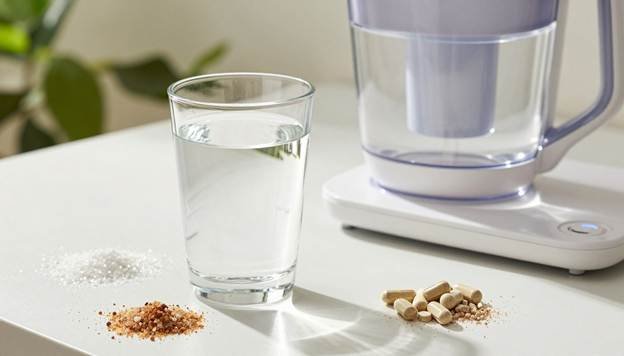
Using the right mineral supplements can have numerous benefits, from improving hydration to supporting overall well-being. However, it’s essential to understand the proper dosage and safety considerations to get the most out of your mineral-enhanced drinking water.
Key Takeaways
- Remineralizing drinking water can have numerous health benefits.
- Choosing the right mineral supplements is crucial for optimal results.
- Understanding the proper dosage is essential for safe consumption.
- Mineral supplements can support overall well-being and hydration.
- Safety considerations should be taken into account when using mineral supplements.
The Importance of Minerals in Drinking Water
Drinking water rich in minerals is vital for our health, influencing everything from hydration to bone density. Minerals in water are absorbed more efficiently by the body compared to those from food sources, making mineralized water a crucial component of our daily hydration.
Common Minerals Found in Natural Water Sources
Natural water sources contain a variety of minerals, including calcium, magnesium, potassium, and trace minerals like zinc and selenium. These minerals are picked up as water flows through rocks and soil, enriching it with essential nutrients.
How Modern Water Treatment Removes Essential Minerals
Modern water treatment processes, such as reverse osmosis and distillation, are effective at removing contaminants but also strip water of beneficial minerals. This results in water that is pure but mineral-deficient, potentially leading to mineral deficiencies if consumed exclusively over time.
The Link Between Water Minerals and Health
The minerals present in drinking water have a direct impact on our health. For instance, magnesium and calcium are crucial for bone health, while potassium helps regulate blood pressure. Drinking mineral-rich water can contribute to our daily intake of these essential nutrients, supporting overall health and wellbeing.
Understanding Mineral Deficiency in Tap and Filtered Water
Many people are unaware that their drinking water may be stripped of essential minerals, potentially leading to mineral deficiency. Tap and filtered water can often be the culprit, as various treatment processes can remove beneficial minerals along with contaminants.
The Problem with Reverse Osmosis and Distilled Water
Reverse osmosis and distillation are popular water purification methods that can effectively remove impurities from water. However, these processes also remove beneficial minerals, resulting in water that is essentially “empty” in terms of mineral content.
Reverse osmosis uses a semi-permeable membrane to filter out impurities, while distillation involves boiling the water and then collecting the condensed steam. Both methods can produce very pure water, but they also strip the water of its natural minerals.
Signs Your Water Might Be Mineral Deficient
If you’re drinking tap or filtered water, there are a few signs that might indicate mineral deficiency. For instance, if your water tastes flat or unremarkable, it could be a sign that it lacks minerals. Additionally, if you’re experiencing persistent health issues, such as fatigue or muscle cramps, mineral-deficient water might be a contributing factor.
Testing Your Water’s Mineral Content
To determine if your water is mineral-deficient, you can have it tested by a professional laboratory or use a home testing kit. These tests can measure the levels of various minerals in your water, such as calcium, magnesium, and potassium.
By understanding the mineral content of your drinking water, you can take steps to remineralize it if necessary, ensuring that you’re getting the minerals your body needs.
Health Benefits of Remineralizing Your Drinking Water
Adding minerals back into your drinking water is a simple yet effective way to enhance your hydration and support overall well-being. Remineralizing your drinking water can have a significant impact on various aspects of your health.
Improved Hydration and Cellular Function
Drinking water that is rich in minerals can improve hydration at the cellular level. Minerals play a crucial role in facilitating the transport of nutrients and waste products in and out of cells, thereby enhancing overall cellular function.
Enhanced Electrolyte Balance
Remineralizing your drinking water helps maintain an optimal electrolyte balance in the body. Electrolytes, such as sodium, potassium, and calcium, are essential for various bodily functions, including nerve function and muscle contractions.
Better Taste and Drinking Experience
Remineralization can also improve the taste of your drinking water. Water that is devoid of minerals often tastes flat or unappealing. By adding back essential minerals, you can enhance the flavor and make drinking water a more enjoyable experience.
Potential Long-term Health Advantages
The long-term health benefits of drinking remineralized water are substantial. Regular consumption can contribute to better bone health, improved cardiovascular function, and even help in managing blood pressure. The remineralization process supports overall health by ensuring that your body gets the minerals it needs from the water you drink.
In conclusion, remineralizing your drinking water is a beneficial practice that can lead to improved hydration, enhanced electrolyte balance, and a better drinking experience. By understanding the importance of minerals in water, you can take a proactive step towards supporting your overall health and well-being.
Essential Minerals Your Body Needs from Water
Drinking water rich in essential minerals is crucial for maintaining optimal health. These minerals play a vital role in various bodily functions, from energy production to maintaining healthy bones and teeth.
Magnesium and Its Role in Health
Magnesium is a critical mineral found in water, essential for numerous bodily functions. It supports muscle and nerve function, helps regulate heart rhythm, and is involved in energy production. A deficiency in magnesium can lead to muscle cramps, fatigue, and weakness.
Key benefits of magnesium include:
- Relaxation of muscles and nerves
- Regulation of blood pressure
- Support for the immune system
Calcium for Bone and Cardiovascular Health
Calcium is another vital mineral that water can provide. It’s essential for building and maintaining strong bones and teeth, as well as supporting cardiovascular health. Adequate calcium intake can help prevent osteoporosis and reduce the risk of heart disease.
Potassium and Sodium Balance
Potassium and sodium are crucial for maintaining fluid balance within the body’s cells. Potassium helps lower blood pressure, while sodium supports nerve and muscle function. The balance between these two minerals is vital for overall health.
Trace Minerals: Zinc, Selenium, and Others
Trace minerals, though needed in smaller amounts, are equally important. Zinc supports immune function and wound healing, while selenium acts as an antioxidant, protecting cells from damage. Other trace minerals like copper and chromium also play significant roles in energy production and metabolism.
Ensuring your drinking water contains these essential minerals can significantly impact your overall health and well-being.
Best Mineral Drops for Water: Top Products Reviewed
When it comes to enhancing your drinking water, the best mineral drops can make all the difference. With so many options available, choosing the right product can be overwhelming. This section reviews top mineral drops, categorizing them into concentrated trace mineral solutions, balanced electrolyte formulas, and alkalizing mineral supplements.
Concentrated Trace Mineral Solutions
Concentrated trace mineral solutions are designed to provide a broad spectrum of minerals in a highly concentrated form. These products are ideal for those looking to replenish the minerals lost during water treatment processes.
Trace Minerals Research Concentrace
Trace Minerals Research Concentrace is a highly-regarded product in this category. It contains over 70 trace minerals and is sourced from an ancient sea bed. As the product label states, “Our Concentrace is a concentrated liquid trace mineral product that provides a broad spectrum of minerals.” This product is known for its high quality and effectiveness in remineralizing water.
Anderson’s Sea MD
Anderson’s Sea MD is another popular choice, offering a concentrated formula derived from pure sea water. It’s rich in electrolytes and trace minerals, making it an excellent addition to drinking water. According to the manufacturer, “Anderson’s Sea MD is made from 100% pure sea water, carefully harvested and processed to preserve its natural mineral profile.”
Balanced Electrolyte Formulas
Balanced electrolyte formulas are designed to replenish not just minerals, but also electrolytes that are crucial for hydration and various bodily functions.
Quinton Isotonic
Quinton Isotonic is a well-known product that offers a balanced blend of minerals and electrolytes. It’s isotonic, meaning it has the same concentration of salts as human blood, making it easily absorbed by the body. The company claims, “Quinton Isotonic is a natural, sterile seawater solution that provides essential minerals and electrolytes.”
Keto Chow Electrolyte Drops
Keto Chow Electrolyte Drops are another excellent option, particularly for those on a ketogenic diet. They provide a balanced mix of sodium, potassium, and magnesium, helping to maintain electrolyte balance. As stated on their website, “Our Electrolyte Drops are designed to support hydration and electrolyte balance, especially for those on a keto diet.”
Alkalizing Mineral Supplements
Alkalizing mineral supplements aim to not only add minerals to water but also to adjust its pH level, making it more alkaline.
Alkalife pH Booster Drops
Alkalife pH Booster Drops are designed to alkalize water, making it less acidic. They contain a blend of minerals that help in adjusting the pH. According to the manufacturer, “Our pH Booster Drops can turn regular water into alkaline water, helping to neutralize acidity.”
pH Ion Alkaline Water Drops
pH Ion Alkaline Water Drops offer a similar benefit, providing a concentrated formula that can alkalize drinking water. They contain minerals like calcium and magnesium, which are beneficial for health. The product description states, “Our Alkaline Water Drops are made with natural minerals and are designed to make your water more alkaline.”
In conclusion, the best mineral drops for water come in various forms, each with its unique benefits. Whether you’re looking for concentrated trace minerals, balanced electrolytes, or alkalizing properties, there’s a product out there for you. As “The right mineral supplement can significantly enhance your hydration and overall health.”
How to Choose the Right Mineral Supplement for Your Needs
With numerous mineral supplements available, choosing the right one for your needs requires careful consideration of several factors. The process involves understanding your current water quality, health objectives, and the characteristics of the supplement you’re considering.
Assessing Your Water Source and Current Mineral Content
Begin by evaluating the mineral content of your drinking water. If you’re using tap water, check if your local water utility provides mineral content reports. For filtered or bottled water, research the brand’s specifications or contact their customer service. Understanding what’s already in your water helps you determine what minerals you need to add.
Considering Your Health Goals and Dietary Needs
Your health goals and dietary requirements play a significant role in selecting a mineral supplement. For instance, if you’re looking to support bone health, you might prioritize calcium and magnesium. Athletes or individuals with active lifestyles may benefit from electrolyte-rich formulas. Consider consulting with a healthcare professional to tailor your choice to your specific needs.
Evaluating Product Quality and Sourcing
The quality of a mineral supplement can vary significantly between brands. Look for products that are third-party tested and sourced from reputable suppliers. Check the label for clear information on the types and amounts of minerals included. Some products may also provide certifications like NSF International or Informed-Choice, which can be indicators of quality.
Price vs. Value Considerations
While cost is an important factor, it’s essential to consider the value a mineral supplement provides. Cheaper options might not offer the desired mineral profile or quality. Compare the cost per serving and consider the long-term benefits. A more expensive product that meets your needs and is durable might be more cost-effective in the long run.
By carefully assessing your water source, health goals, and the characteristics of potential mineral supplements, you can make an informed decision that enhances your drinking water and supports your overall well-being.
Mineral Drops Dosage: How Much to Add to Your Water
Determining the correct mineral drops dosage is crucial for maximizing the benefits of remineralized water. The right amount can enhance hydration, support electrolyte balance, and provide essential minerals.
Standard Dosing Guidelines
Most mineral drop products come with recommended dosing guidelines. Typically, the standard dosage ranges from 2-5 drops per liter of water. However, this can vary depending on the product’s concentration and mineral content.
It’s essential to start with the recommended dose and adjust according to your personal needs and water quality.
Adjusting for Different Water Sources
The mineral content of your water source plays a significant role in determining the ideal dosage. For example, if you’re using reverse osmosis or distilled water, you may need to add more mineral drops compared to tap water, which may already contain some minerals.
Signs You’re Using Too Much or Too Little
Paying attention to your body’s response is key. If you’re using too little, you might not experience the desired benefits. Conversely, using too much can lead to an unpleasant taste or potentially cause an imbalance in your mineral intake.
- Signs of too little: No noticeable improvement in taste or hydration.
- Signs of too much: Unpleasant taste, mineral buildup, or excessive mineral intake.
Creating a Personalized Dosing Schedule
To create a personalized dosing schedule, consider your daily water intake, the mineral content of your water, and your individual health needs. You may need to adjust your dosage based on factors like activity level, climate, and overall diet.
By carefully monitoring your response to mineral drops and adjusting your dosage accordingly, you can optimize your mineral intake and enjoy the full benefits of remineralized water.
Safety Considerations When Using Mineral Supplements
When adding mineral supplements to your drinking water, it’s crucial to consider the safety implications to avoid potential health risks.
Interactions with Medications
Mineral supplements can interact with certain medications, either enhancing or diminishing their effects. For instance, minerals like calcium can interfere with the absorption of thyroid medications. It’s essential to consult with a healthcare provider before adding mineral supplements to your water, especially if you’re on medication.
Individuals Who Should Exercise Caution
Certain individuals, such as those with kidney disease or heart conditions, should be cautious when using mineral supplements. Excessive intake of minerals like potassium can be harmful to individuals with specific health conditions.
Quality and Contamination Concerns
Not all mineral supplements are created equal. Some may contain contaminants or have varying levels of quality control. It’s crucial to choose products from reputable manufacturers to minimize the risk of contamination.
Common Misconceptions
One common misconception is that more minerals are always better. However, excessive mineral intake can lead to imbalances. It’s also mistakenly believed that mineral supplements can replace a balanced diet, which is not the case.
| Safety Consideration | Description |
| Medication Interactions | Potential for minerals to interact with medications |
| Health Conditions | Individuals with certain health conditions should exercise caution |
| Quality Control | Risk of contamination if not from reputable sources |

Conclusion: Making the Most of Your Mineralized Water
Remineralizing your drinking water can have a significant impact on your overall health and hydration. By understanding the importance of minerals in water and how to effectively remineralize it, you can enjoy numerous health benefits, including improved hydration, enhanced electrolyte balance, and better taste.
To make the most of your mineralized water, consider your individual needs and health goals. Assess your water source and current mineral content, and choose a high-quality mineral supplement that meets your requirements. Be mindful of the dosage and adjust it according to your needs to avoid over- or under-mineralization.
By incorporating mineralized water into your daily routine, you can experience the health benefits of remineralization and enjoy a refreshing and healthy drinking experience. With the right approach, you can maximize the advantages of mineralized water and improve your overall well-being.
FAQ
What are the benefits of adding mineral supplements to drinking water?
Adding mineral supplements to drinking water can improve hydration, enhance electrolyte balance, and provide essential minerals like magnesium, calcium, and potassium that are often stripped away during modern water treatment processes.
How do I know if my water is mineral deficient?
You can test your water’s mineral content using a water testing kit or send a sample to a laboratory for analysis. Signs of mineral deficiency include water that tastes flat or unappealing, and potentially, health issues related to mineral deficiencies.
What is the recommended dosage for mineral drops?
The recommended dosage varies depending on the product and your water source. Generally, a few drops per liter are sufficient, but it’s best to follow the manufacturer’s guidelines and adjust based on your individual needs and the mineral content of your water.
Are there any safety concerns when using mineral supplements?
Yes, potential interactions with medications, contamination concerns, and individual health conditions require caution. It’s essential to choose high-quality products and consult with a healthcare professional if you have specific health concerns or are taking medications.
Can mineral supplements interact with my medications?
Yes, certain minerals can interact with medications. For example, minerals like calcium can interact with certain antibiotics. It’s crucial to consult with a healthcare professional before adding mineral supplements to your water if you’re on medication.
How do I choose the right mineral supplement for my needs?
Consider your water source, health goals, dietary needs, and the product’s quality and sourcing. Look for products that are concentrated, contain a balanced mix of minerals, and are from reputable manufacturers like Trace Minerals Research or Quinton.
What are the differences between concentrated trace mineral solutions, balanced electrolyte formulas, and alkalizing mineral supplements?
Concentrated trace mineral solutions provide a broad spectrum of minerals, balanced electrolyte formulas are designed to support hydration and electrolyte balance, and alkalizing mineral supplements aim to adjust the pH of your water. Choose based on your specific health goals and needs.
Can I use mineral supplements with reverse osmosis or distilled water?
Yes, mineral supplements are particularly beneficial with reverse osmosis or distilled water, as these treatment processes remove minerals. Adding mineral supplements can remineralize the water, making it more beneficial for health.
Leave a Reply